

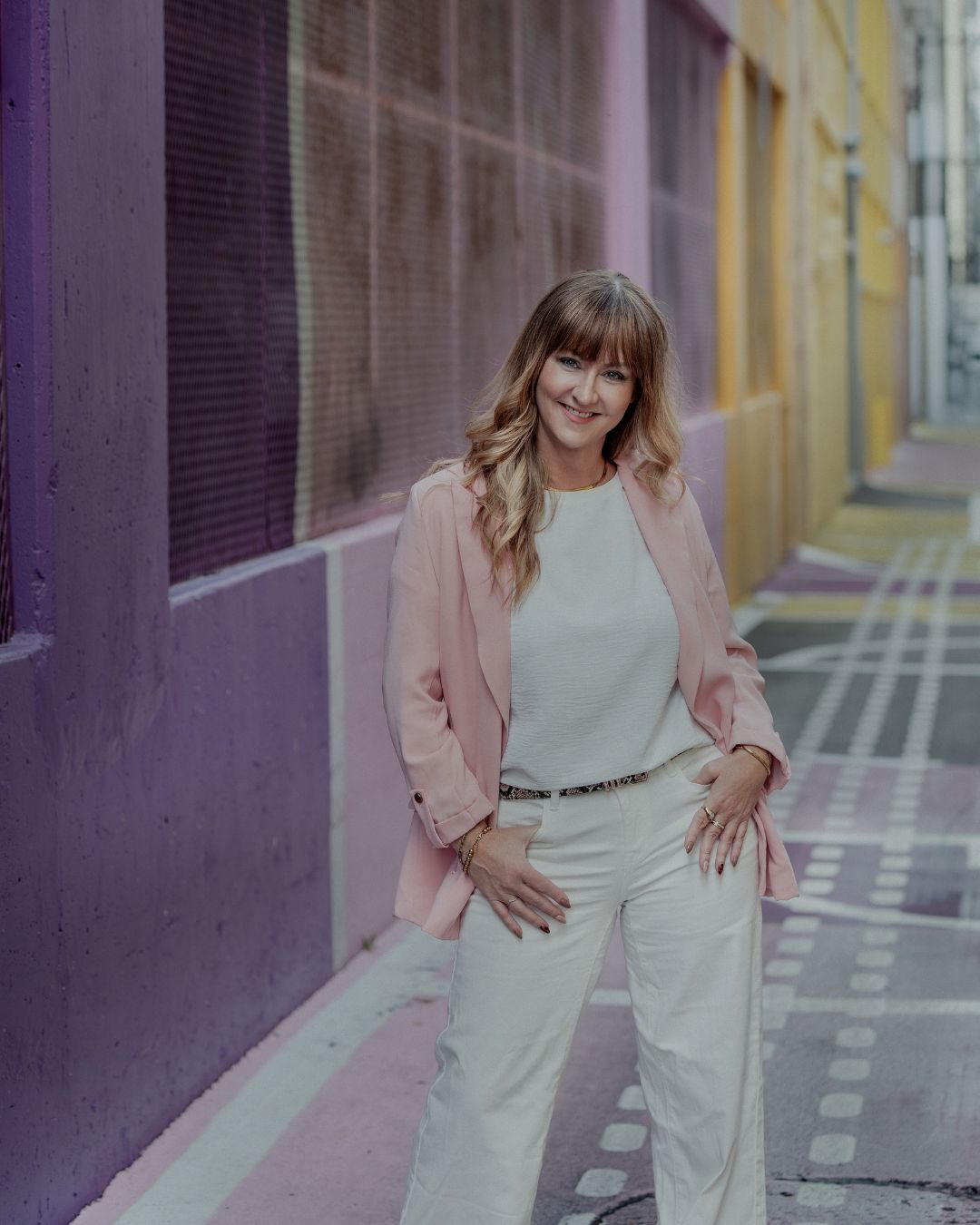
I first met Coralee Grimm at a Content & Connect event I hosted in spring 2022, before YVR Creatives even existed.
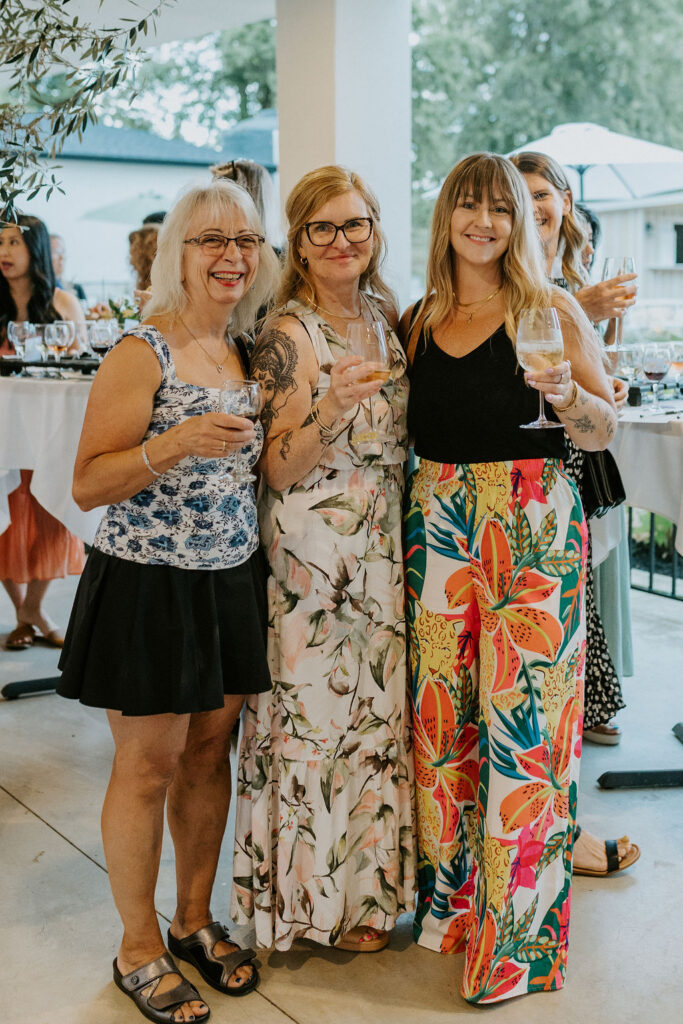
She walked in wearing a gorgeous floral maxi dress and immediately threw herself into the mix. She was warm, funny and seemed to know everyone. And if she didn’t know you yet, she 100% did by the end of the day.
That’s Coralee. She sees people, connects them and gets genuinely excited about what they’re building.
As the founder of Culture Co., she helps businesses figure out who they are from the inside out, starting with their people and culture, then building a brand that actually reflects both. She brought that same gift for connection to The Co., her Chilliwack coworking space, where more than 700 women came through the doors to work, meet, create and find each other.
But whenever I saw Coralee, I noticed something: the woman who could so clearly see and share everyone else’s value was reluctant to put herself in the spotlight.
Her agency was busy. Her relationships brought in work. She didn’t need to spend time building a personal brand. At least, that’s what she told herself.
The Unexpected Pivot
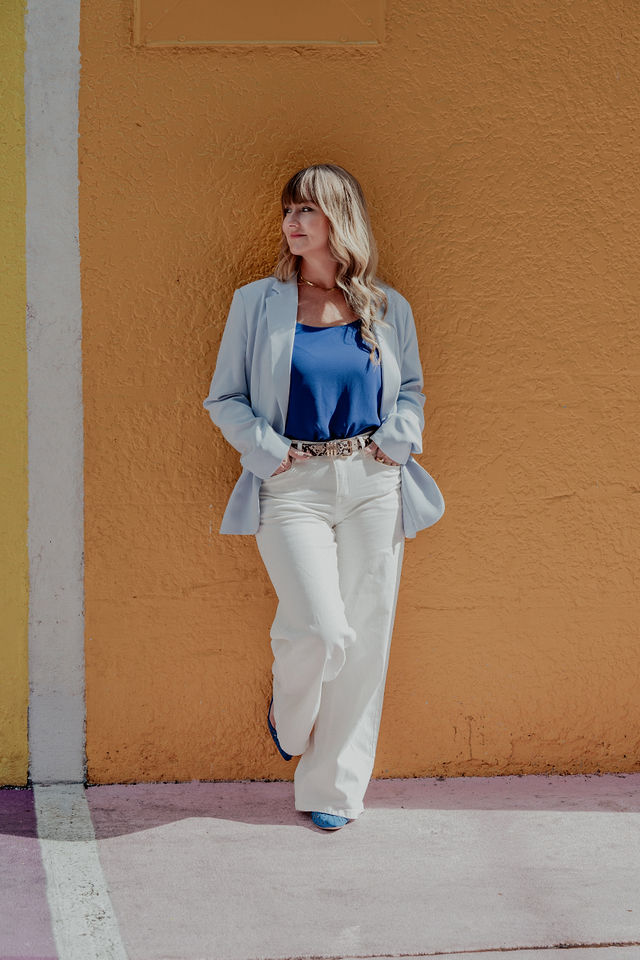
Then The Co. closed unexpectedly. The ending wasn’t her choice. At first, she thought she would find another space and reopen. But when she finally had a December without rushing back and forth to The Co., she began to realize how much of herself it had required.
And in that quiet, she began asking what she wanted to build next.
This conversation is about that uncomfortable space between being the person who champions everyone else and finally stepping forward for yourself. Coralee talks about the stories that kept her behind the scenes, what it felt like to become the face of her own vision, and why she’s done leaving her dreams on the sidelines.
Building Everyone Else’s Brand
What was the idea behind Culture Co.?
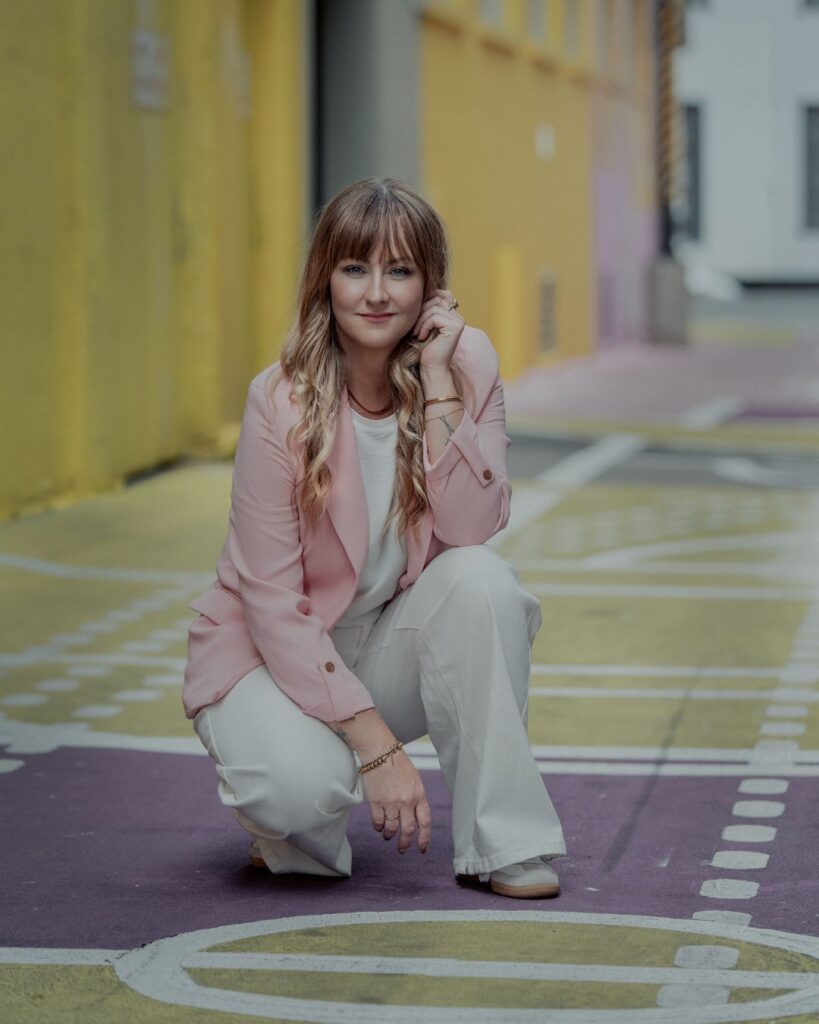
Culture Co. was built on the vision of culture, people and brand: build the culture, find the people and create the relationships that create true brand ambassadors; then build the brand and scale the business. It felt like many agencies were leaving out the foundational pieces.
Brand culture is how people embody your brand and behave within it. It is how your mission, vision and values become integrated into everything you do, rather than becoming words displayed on a wall. True buy-in comes from storytelling and real relationships, which are the essence of a true brand.
Why Visibility Felt Different When It Was Her Own
You’ve helped other founders build visible brands. What happened when you turned that work toward yourself?
No lie: it was a struggle. I realized I was waiting for permission. I hid behind the agency and was careful not to share the amazing work the agency or I was doing because I thought it was bragging.
I was maximizing and activating everyone else’s dreams. I told myself their success was my success. Doubling revenue, building brands, helping leaders reach goals and creating beautiful relationships felt like success—until I had no choice but to look at how I was living part of my own life on the sidelines. I was not taking the advice I gave other people about changing their lives and chasing their goals. I was building so quietly that I forgot to build myself and my dreams along the way.
I felt selfish for having a successful agency and still wanting more. I knew my visibility challenges came partly from comfort and a little arrogance: “I don’t have to.” Really, I was playing it safe in a space where I already knew I could be successful.
A personal brand stretches you. It teaches you things about yourself you may have hidden away for comfort. It was not that I lacked confidence or was afraid of visibility. I didn’t know how to show up for myself the same way I showed up for the businesses, brands, and leaders I built. I knew my strengths and capabilities, but I had to learn how to talk about them in a way that embodied my essence and integrity.
What feels vulnerable about building something centred on your own voice?
It feels different because it now sits inside my own vision rather than someone else’s, and that comes with the question, “Am I enough?” I cannot perform or be a version of myself designed to make other people comfortable anymore.
It felt vulnerable to know that when I am honest and direct, people might not like me. Then I found the space and confidence to say, “Who cares? I am not for everyone.”
As leaders, we owe the people around us the truth. That can mean seriously uncomfortable conversations, but that’s where the most raw, real leadership development happens.
I learn about myself every day, and the only way I can do that is by being vulnerable and speaking with my truest voice.

The Co. Closure And The Dreams She’d Put Aside
What did The Co. represent to you?
The Co. held everything I loved: a boardroom for meetings and getting things done, a photo studio for building brands, and a place where people could work on their businesses and feel professional and productive. The best part was that it was fun—really fun.
I loved being a connector and problem solver, and The Co. became a place where I could do all of that. It represented collaboration, community and coworking. That is how it got its name: CO.llaboration, CO.mmunity, CO.work.
More than 700 women in business used that space for workshops, photography, meetings and work. I built it for them, and damn, I was proud. Its ending was outside my control. I have made peace with letting it go, but I look back on those years so fondly.
What did its closure force you to reconsider?
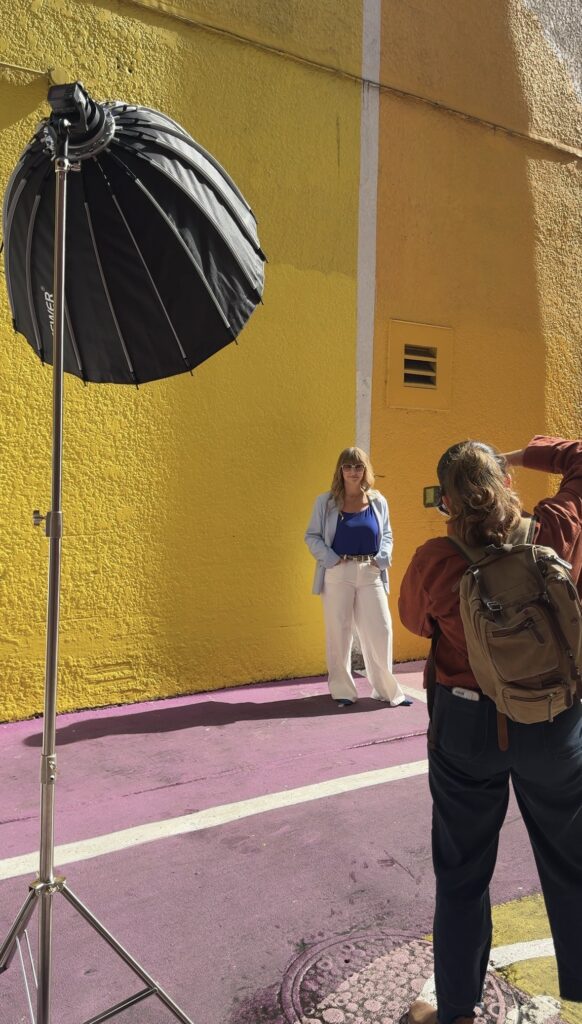
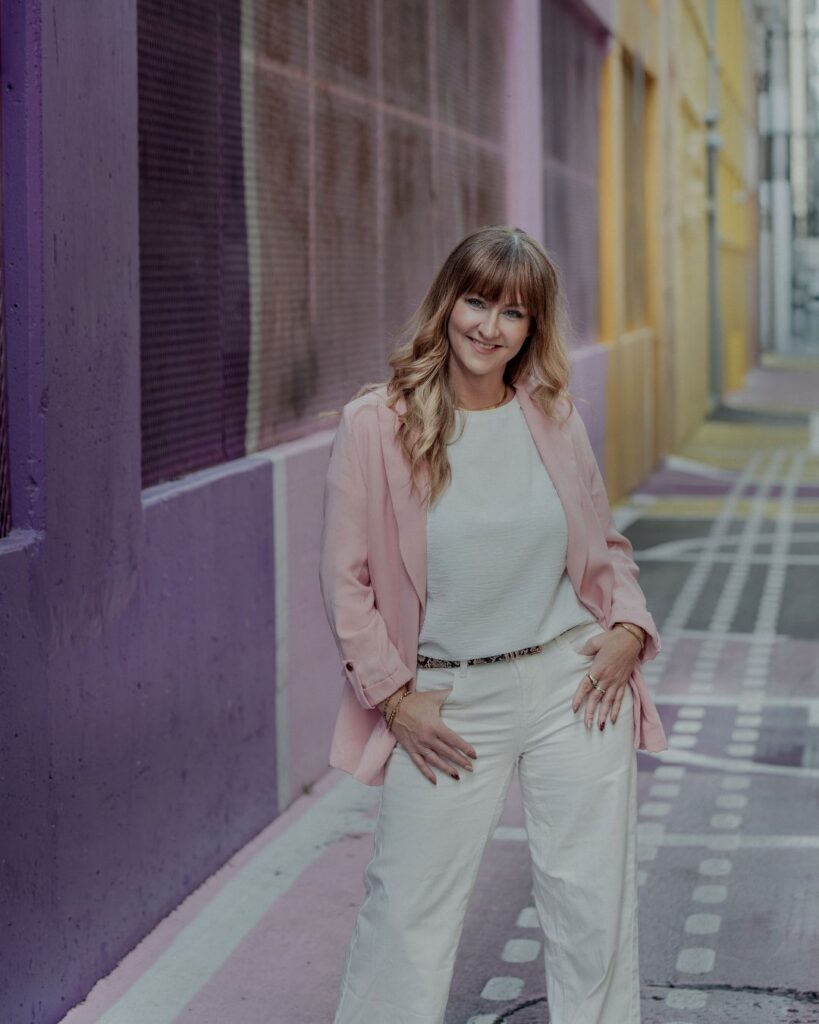
I realized I had invested in every person who used that space except myself. I never made time to do the things I dreamed about doing there. I had not even booked myself a proper photoshoot. It became glaringly obvious that I had put my own dreams on the sidelines.
At first, I was certain I would find a new space and reopen, but when I sat with it, that goal never came back to me. I spent a December without rushing back and forth to the studio and suddenly realized how consuming it had been.
How was I running an agency and a coworking space at that capacity?
The redirection happened when I made myself the priority. That felt uncomfortable, but it was necessary if I was going to pull those dreams off the sidelines. Redirection has a magical way of slapping you in the face: “Hello, you have work to do. Here is the opportunity. It is up to you to take it.”
Taking Up Space
Why do you think capable women still hold themselves back?
Imposter syndrome is built from false limitations. I experienced it more when I was younger, but less now. Why? Because I know I will figure it out. I will ask questions, dive deeper and tell people, “I don’t know, but I will learn.”
Taking up space was the bigger challenge for me because I thought it was my duty to play small and make the people around me comfortable. I held myself back so I could share, lift and showcase other people.
Now I believe part of my role as a leader is to take up space, not consume it. The space I take up holds honesty and integrity that deserve to be seen.
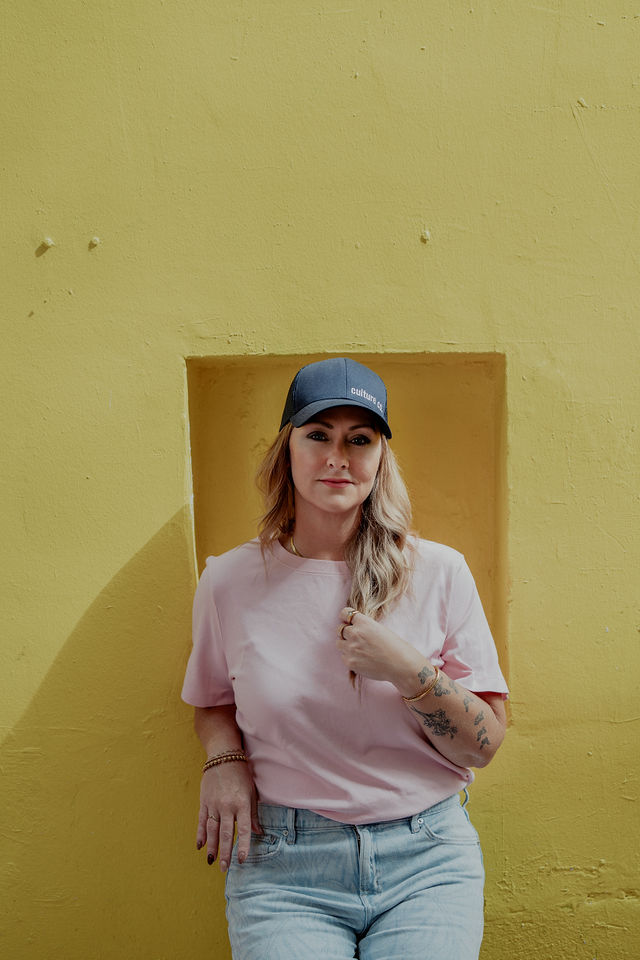
What has studying neuroscience taught you about confidence and self-doubt?
The brain was built for comfort. It is efficient, and it knows that keeping us small requires less work. It can convince you that the safe choice is the right choice when the opposite may be true.
Neuroscience also taught me that the brain prioritizes proof. We create that proof when we take action repeatedly until the brain develops a track record and simplifies the process.
When we see the results of doing the uncomfortable thing, we begin choosing that mechanism over and over. It builds confidence and leaves room for mistakes because most mistakes aren’t permanent.
When we get trapped in overthinking, often called a rumination loop, self-doubt can spiral. We have to teach our brains that uncertainty is not a life-or-death situation.
Why Women In Business Need Each Other
What have you learned about what women in business genuinely need?
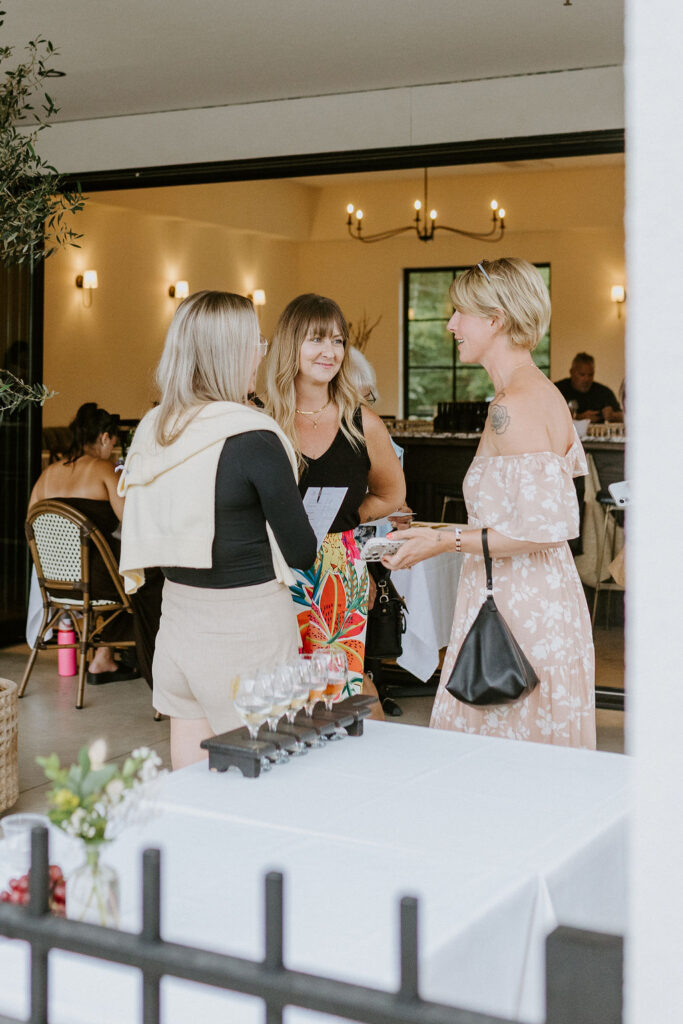
They need relationships. They need a space to be imperfect and someone who claps for them no matter what. They need someone who pushes them and believes they are capable of more. They need women who pull out the chair and say, “I have a spot for you.”
They need people who become so invested in them, their idea and their vision that they never feel alone. They need women who listen and then say, “Let’s get to work.”
You’ve said that we scale through people. What does that mean in your own business?
When you empower the team or people in your orbit, you create the framework for something bigger than yourself. When we look for relationships beyond our own strengths, we find people who can teach and guide us. Relationships will always be my biggest return on investment. My business, confidence and potential came from people who believed in me when I did not believe in myself.
Those relationships literally scaled my business through referrals and buy-in. They also scaled me by reminding me that I was capable of more.
Making Time To Work On The Business
What inspired your Palm Springs retreat?
I knew something was missing. I thought, “Where can we work and have fun at the same time?” Poolside and on purpose.
I am a workshopper by nature: action, action, action. Let’s stop talking about it and do it. I want to teach women how to take action and build the confidence to create something for themselves. We need time to work on the business instead of only in the business.
Every founder, CEO and entrepreneur faces the challenge of finding time to implement and having practical tools for execution. Selling out the retreat confirmed that women want that space: intentional work, useful tools, confidence, relationships and play.
What does success look like for you now?
Time will always be my currency. My kids and family will always be the first priority. The more time I have with them and with the women in my circle, the richer I am. When I get to define the time I spend inside and outside my business, I know I am already living a rich life. Creating something that gives me the freedom to travel, play and have adventures has always been the goal.
Why does now feel like the right time to build a community around your own work?
It is never the right time. Do it anyway. Build along the way, get out of your own way and share your gifts. What are we waiting for if the right time is not right now? No more dreams on the sidelines.
About Coralee Grimm
Coralee Grimm is the founder of Culture Co., a culture and brand strategist, community builder and leadership guide whose work brings together culture, people, storytelling and relationships.
Connect with Coralee
Instagram, @CoraleeCultureCo
Website: https://www.cultureco.ca/
About the Author
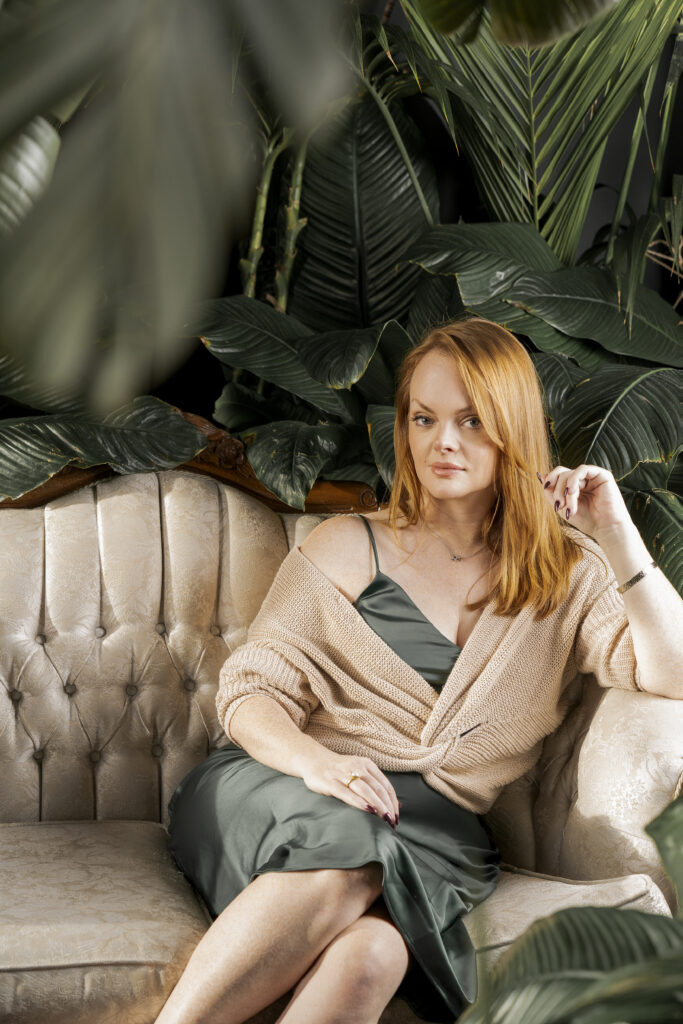
Christine Coughlin is a content creator and the founder of YVR Creatives, a community dedicated to helping female entrepreneurs share their message, build meaningful connections, and grow their businesses.
She helps women amplify their voices through in-person events and VIP content-creation days by guiding them to feel confident on camera and to create impactful content.
Christine also curates inspiring in-person events, including monthly masterminds, social events, and lunch-and-learns, offering opportunities for women to network, share knowledge, and connect within a supportive aligned community.
Christine lives in the suburbs of Vancouver with her husband, three kids, and one million plant babies. A self-proclaimed personal development junkie, she finds peace and inspiration in nature, whether hiking through the woods or spending time on the water.

