

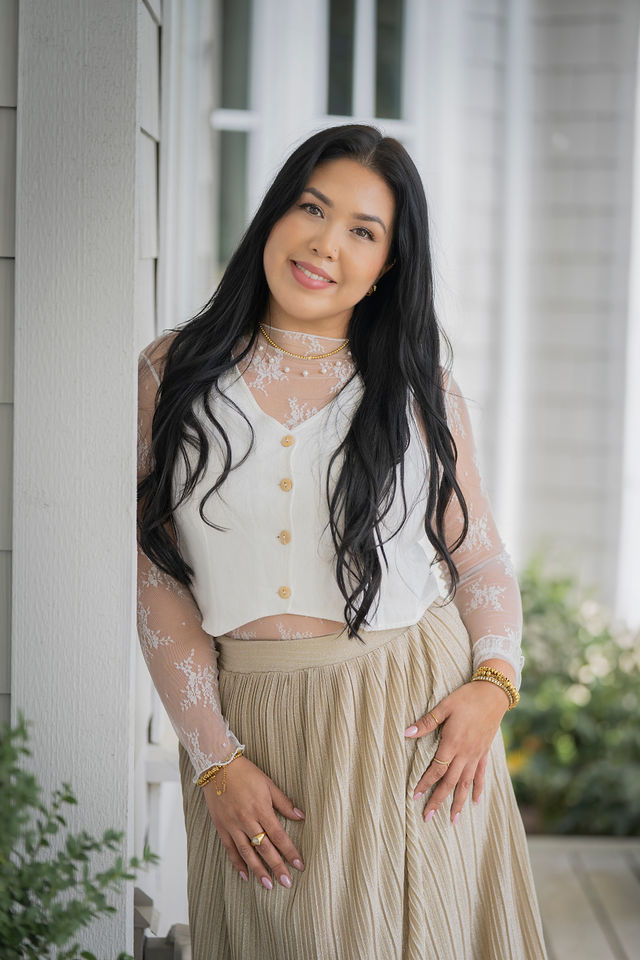
Koquetta founder Rosa Sasges on growing into her powerful name, becoming the face of her business and creating the representation she wished she had seen as a young Latina girl.
I’ve known Rosa as the woman behind Koquetta Accessories, the woman with the beautiful jewellery, the big smile and the laugh you can hear from across the room.
But when she told me she once felt she had to grow into her own name, I knew that was the story.
In Spanish, Rosa means rose. But to her, the name represented something bigger: a woman who was wise, powerful and completely certain of who she was. As a young girl moving between English- and Spanish-speaking worlds, she wasn’t sure she was ready to carry a name with that much presence.
I think many women in business understand that feeling, even if it isn’t attached to our name.
We tell ourselves we’ll speak louder when we’re more experienced. We’ll show our face when the brand is more established. We’ll make the investment when we’ve proven we deserve it. We’ll ask for what we need when everyone else is taken care of.
We keep waiting to become the woman who can hold the dream.
But what I loved about my conversation with Rosa is that she didn’t become someone else. Through building Koquetta, launching Ella Es and learning to let herself be seen, she began recognizing the woman who had been there all along.
This is a conversation about confidence, culture, visibility and what can happen when a woman stops trying to make herself easier to overlook.
This is Becoming Rosa.
Becoming Rosa
Growing up, what did the name Rosa represent to you?
Rosa always felt like a mature, traditional name. Growing up, the only other person I knew named Rosa was my grandmother, so I associated it with someone much older than me.
In Spanish, it means “rose,” but the sound of it also felt bold and powerful. To me, Rosa represented someone wise, someone who knew exactly who she was and felt strong enough to stand confidently in that identity.
Because the name was so uncommon in my environment, I wanted to represent it well. I didn’t want to stand out because of my name without becoming the best representation of it. As a young girl, I felt it was a big name to live up to.
Did it feel different carrying that name in English- and Spanish-speaking spaces?
In English-speaking spaces, Rosa was simply who I was. In Spanish-speaking spaces, however, I felt more pressure to live up to the name.
The expectations seemed different in each environment. I often felt as though I lived in two worlds, each with its own rules and responsibilities. In Spanish, Rosa felt like someone who should be insightful and wise, and I believed I had to become those things for the name to truly suit me.
When did your relationship with your name begin to change?
I don’t remember an exact day, but I know the shift began in my mid-twenties, when I started recognizing how much I had to offer.
I was doing well in my career, I was married and I was saving for my first home. I finally looked at the life I was building and realized that everything I was doing required courage.
I was becoming someone my younger self could look at and say, “Wow, you are doing it.”
What does the name Rosa mean to you today?
It is a unique name within my generation and environment, and I’ve come to realize that I am unique too.
I don’t do things simply because other people do them, and I don’t follow every trend. I am bold.
To me, Rosa is a woman who is wise in her decisions, strong in her beliefs, mature in her actions and fully owns who she is.
What would you tell the little girl who didn’t yet feel worthy of that name?
Sometimes it takes time to understand and accept the things that are already within you.
Just because it takes longer doesn’t mean it isn’t meant for you. It may take time, but it has always been you.
How Do Women Build the Confidence to Take Up Space?
Have you ever felt pressure to be quieter, smaller or less visible?
Culturally, being strong, larger than life or highly visible can sometimes be perceived as cocky, self-important or egotistical.
My parents taught me to be kind, helpful and humble, and those are still values I hold deeply. But I’ve learned that making myself quieter, smaller or less visible isn’t the answer.
I can be heard. I can be seen. I can take up space while still showing people the values that guide me.
Social media is one area where I sometimes struggle because showing up consistently can feel like taking up a lot of space. I know I’m not alone in that feeling. I remind myself that the people who want to see and hear us can gain something meaningful from our presence. The people who don’t want to see us show up aren’t the people we’re trying to reach.
What fears surfaced when you became the face of your own business?
My greatest fear was that people would ask, “What does she know?”
I worried they would think I was taking up space without having anything to show for it, or that my intelligence would be questioned at every turn.
The truth is that although I had never owned a business before, I had worked for several multibillion-dollar companies, generated hundreds of thousands of dollars in business for each brand I represented and managed as many as 255 accounts at one time.
The difference was that I had never been the owner.
If there was a problem with a product, statement or decision, the criticism was directed at a large corporation rather than at me personally. Once I began putting myself forward as the face of my own business, I had to be prepared to be questioned, criticized and judged.
People often share negative experiences more quickly than praise, so it’s easy to anticipate criticism before it even arrives. That fear can hold us back, but learning how to face it has been part of becoming an entrepreneur.
What does taking up space mean to you now?
Taking up space means allowing myself to be seen and heard so people can find me, connect with me and work with me.
It means being comfortable drawing attention to who I am and what I’ve built, because these are my businesses and this is my story to tell.
I can speak openly about what I do, show up on social media as myself and stand firmly in what I believe.
When did you stop waiting for permission and begin trusting yourself?
This became especially clear to me over the past year.
I had always trusted myself internally, but I began speaking up, asking questions, advocating for myself and sometimes even making demands. In the past, I would have waited until everyone else was happy before taking my turn or asking for what I needed.
I’m learning to trust myself and believe that I’m worth the investment. I stopped waiting to hear that from other people and started listening to the voice inside me that had known all along that I could do it.
You describe confidence as a muscle. How do we strengthen it?
I’ve learned that we all possess confidence and that it is like a muscle. We need to train it, use it and sometimes flex it.
Some people have developed it more than others, but all of us can strengthen it with practice.
I also remind myself that not everyone is going to like me or my product, and that’s okay. I naturally want people to feel welcome and happy, but it’s impossible to please everyone.
Now I focus on creating work I genuinely believe in and can be proud of. That knowledge gives me the confidence to walk with my head held high.
What do you no longer apologize for?
Laughing loudly and speaking with my hands.
Anyone who has heard me laugh knows exactly what I mean. It’s a loud, bold laugh, and I’ve been told it can be heard across a room. I’ve also been told my hand gestures are so expressive I could make my point without speaking.
For a while, I tried to retrain myself to be quieter and less expressive. Eventually, I realized I couldn’t keep holding myself back from being who I am.
I will no longer change my personality to accommodate other people’s opinions.
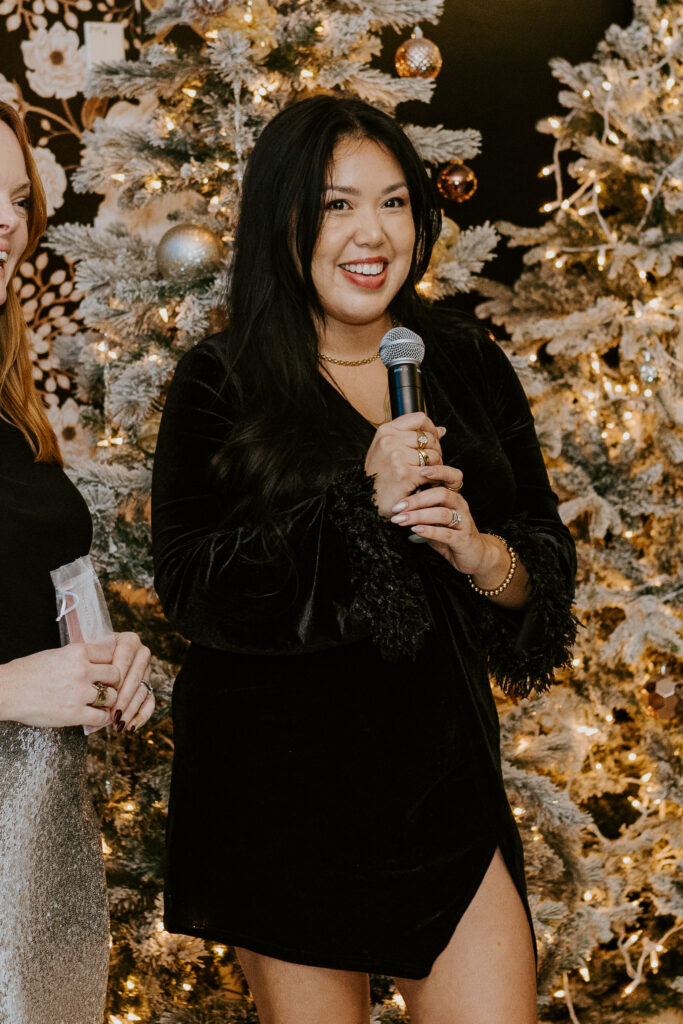
Building a Brand That Feels Like You
What inspired you to create Koquetta Accessories?
Between 2018 and 2020, fashion became more geometric, loose-fitting and androgynous. Many styles moved away from celebrating the shape of the body, and colours shifted from pinks and florals toward more monochromatic palettes.
I found it difficult to shop during that time because I am a feminine, jewellery-wearing, flower-and-lace-loving woman.
I felt inspired to create pieces that would help my daughter and me feel delicate, feminine and beautifully ourselves.
How did you build Koquetta from the beginning?
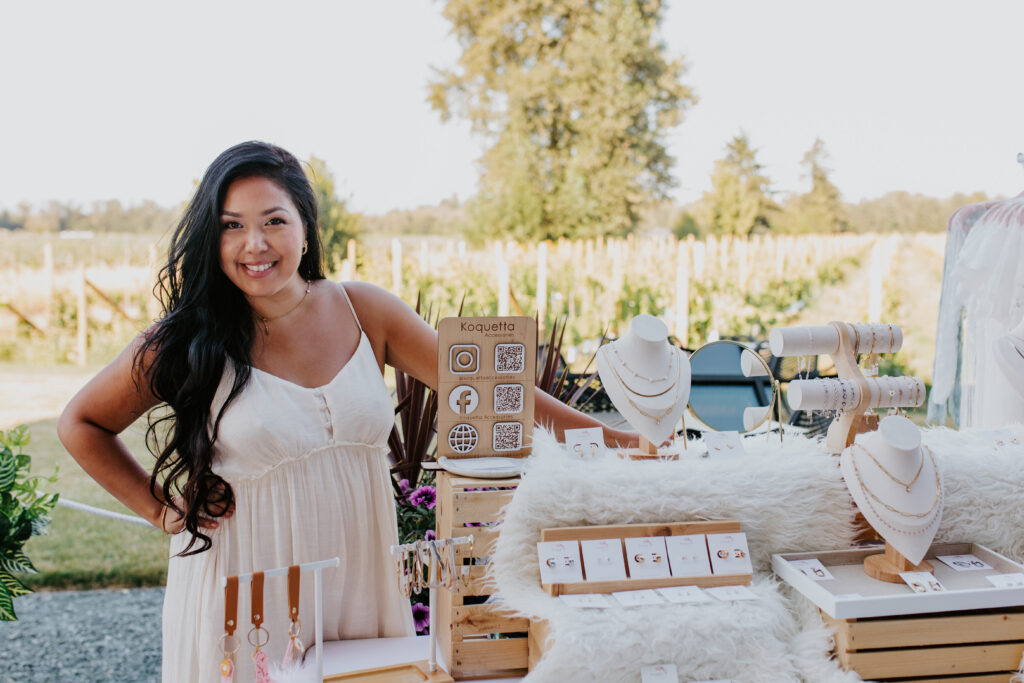
I started by making flower crowns for weddings, music festivals and other special occasions—with $100.
After I sold them, I put that original $100 back in my pocket and reinvested the profit. I continued building the business that way.
The brand expanded into jewellery, hair accessories, lace tops and much more. It grew into a one-stop shop for elevating an outfit and finding meaningful gifts.
Building Koquetta allowed me to reconnect with the creative side of myself that had always loved fashion. When the business began growing, I had stopped working outside the home, I was pregnant and the world was experiencing COVID-19 shutdowns.
Koquetta gave my creativity an outlet, a sense of purpose and eventually a career.
Recently, I found some of my original packaging, which I used to stamp by hand. It made me pause and think, “I cannot believe how far I have taken this.”
I am incredibly proud of myself and deeply grateful for every person who has supported me along the way.
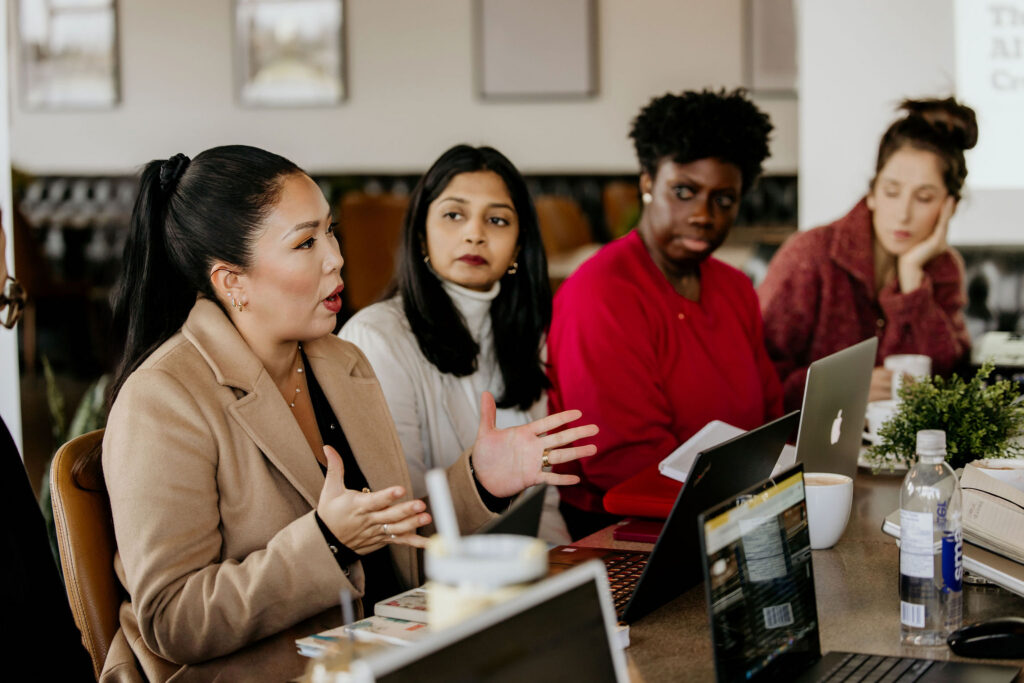
How is your culture reflected in Koquetta?
My culture is woven throughout the business.
The name Koquetta comes from Spanish, and many of my products have Spanish names and meanings. People may not realize it, but I have been teaching them a little Spanish through the brand for the past several years.
The spirit of the business is also strongly connected to my culture. As a little girl, I was taught that the way you dress can influence how you feel.
Getting dressed and adding special details can give you the energy to face the day, while staying in pyjamas may leave you feeling less prepared for whatever comes your way.
My pieces are designed to elevate a look, create a spark and help women feel beautiful and confident. They offer that extra energy for any occasion.
What changed when you stopped trying to fit in and leaned into who you really are?
I found my place.
I discovered what works for me and what makes my business different. Embracing that distinction gives the brand its unique appeal and allows customers to see the person behind the business.
Koquetta has become more personal and a much clearer reflection of who I am.
Authenticity means Rosa. It isn’t something that can be replicated or copied because it is naturally and uniquely mine. My actions, my laugh, my behaviour, my thoughts and the way I speak all come from me effortlessly.
When something genuinely reflects who I am, people recognize it as mine.
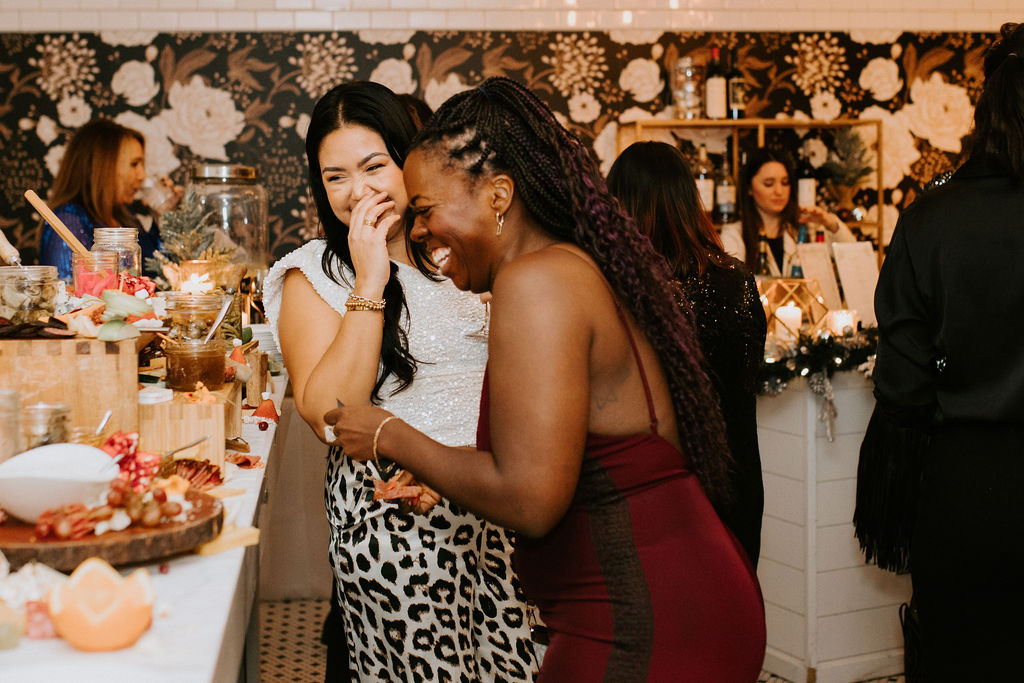
What has entrepreneurship taught you about investing in yourself?
Learning to invest in myself has been one of my greatest challenges.
I’ve always found it difficult to spend large amounts of money or take financial risks. Because my husband and I had already taken risks with our first company, I felt responsible for maintaining stability and protecting our family.
This year, I decided to make a calculated investment in my own growth. I renovated my downstairs workspace, purchased more supplies and increased my inventory.
The result was greater capacity and more growth. I still have financial obligations, but I’ve also expanded the business and begun planning for its next stage.
I’m learning that thoughtful risk and strategic investment can create the opportunity for a greater return.
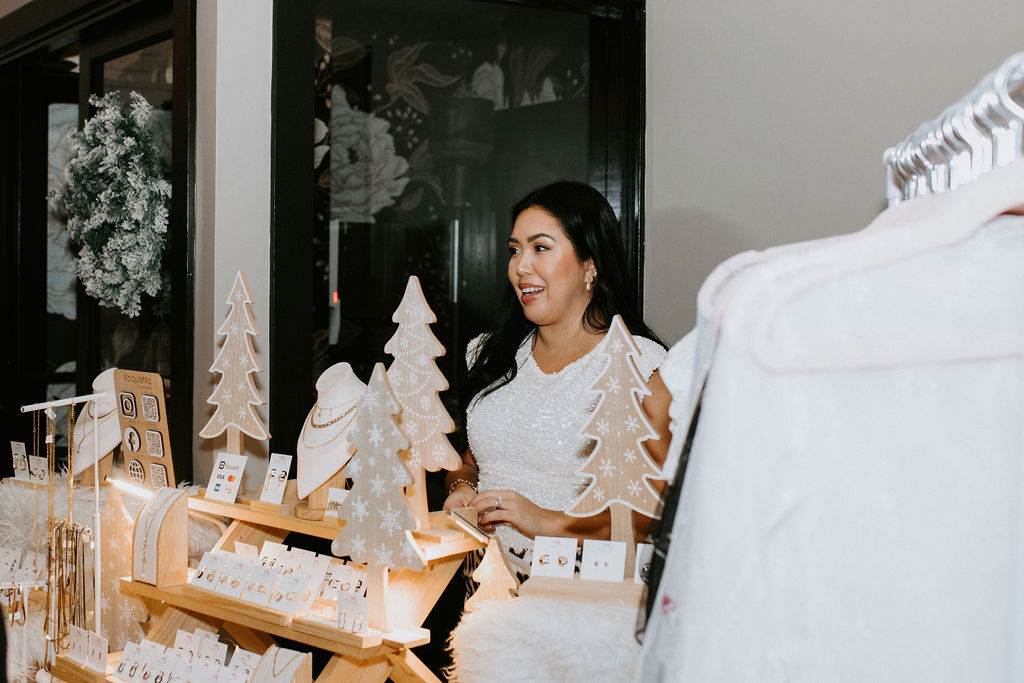
What advice would you give a woman who knows she has something valuable to offer but is afraid to be seen?
Find a group of supportive, loving people with whom you can practise sharing what you have to offer. That can help you build the confidence to say it out loud and begin putting it into action.
I’m also very cautious, so I believe in studying the numbers and understanding what you’re committing to.
After that, be stubborn. Go all in and don’t quit.
Some paths take longer than others, but if a path is still leading you in the direction you want to go, you are making progress.
When I started my business, I told myself that if I was going to do it, I was going to find a way to make it succeed. I didn’t give myself failure as the final option.
Representation, Responsibility and Holding the Door Open
What inspired you to create Ella Es?
I wanted to offer another point of view and share a perspective that people who aren’t Latin American—as well as those born in Canada with Latin American roots—might not otherwise hear.
I also wanted my daughters to understand the experience of being first-generation Latin American Canadians and to hear stories about Latinas doing extraordinary things.
I want them to have role models who share parts of their identity and show them what is possible.
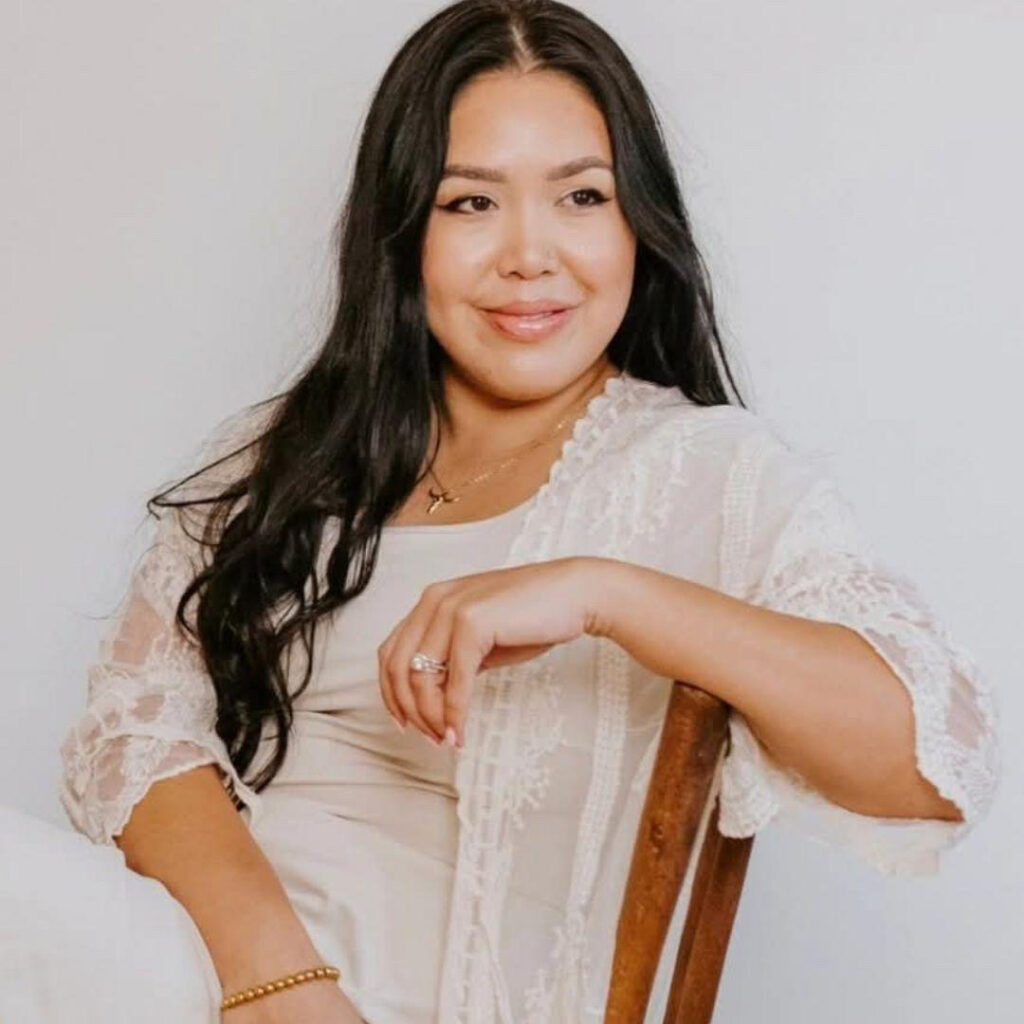
Why was it important to create a platform celebrating Latina women?
Latina women are not yet taking up enough visible space.
There are so many of us, yet we still don’t see ourselves represented often enough in films, advertising, leadership or mainstream media. Latinas are accomplishing extraordinary things, but their stories aren’t always being heard. I wanted to help change that.
Latina athletes are breaking barriers. Latina scientists, astronauts, entrepreneurs and advocates are creating change in the world. These women are role models and heroes, yet many people don’t know their names.
I grew up without knowing their stories, and I want to make those stories more visible and accessible to others.
What have the women you’ve interviewed taught you?
I’ve learned that they want and deserve to be heard.
They have powerful stories to tell, but they haven’t always been given the space to tell them. They’re grateful that someone genuinely wants to listen and help share what they have to say.
One important conversation that has stayed with me is the reminder that Latinas don’t all look the same.
We come in every shape, size, skin tone and background. Mainstream media has often promoted a narrow stereotype that all Latinas are loud, feisty and curvy, have curly hair and share similar features. That image isn’t realistic or inclusive.
Some Latinas are fair-skinned, some are Black, and we represent every beautiful identity in between. There is no single way to look Latina.
Growing up, did you see women who looked like you leading businesses?
Absolutely not.
I could rely only on television and the few magazines I was able to access. I rarely saw Latina women portrayed as successful businesswomen or leaders.
When a Latina woman did appear in those roles, her identity was often minimized or presented in a way that made her seem more aligned with white, mainstream expectations.
I didn’t see women who looked or felt like me.
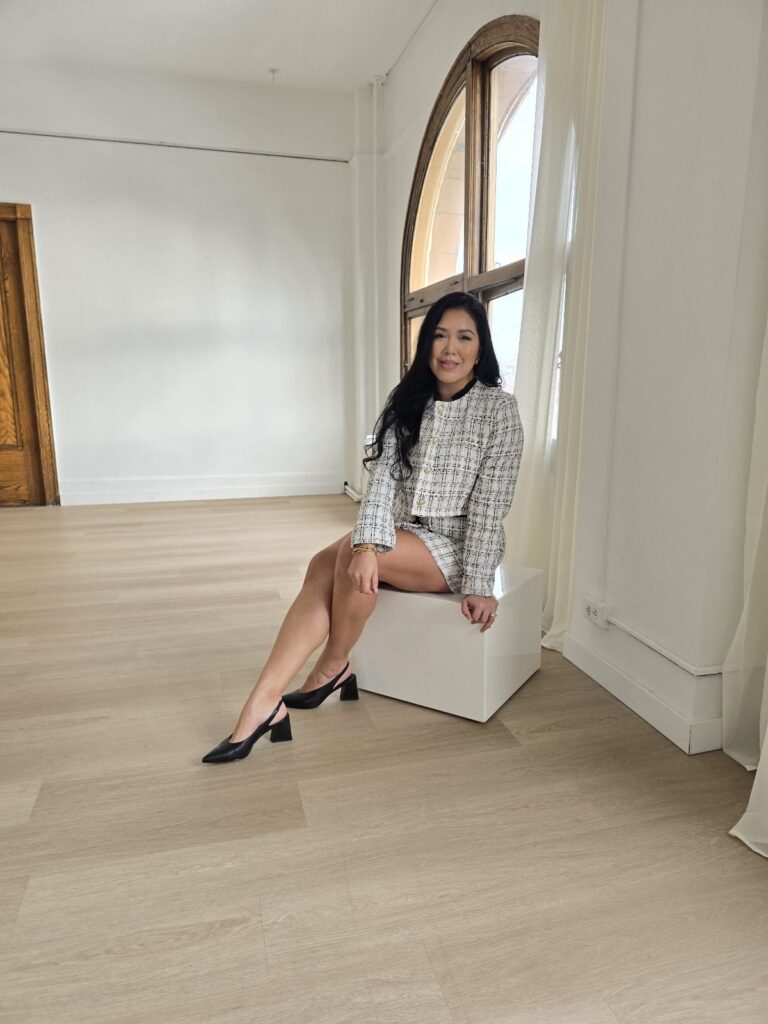
How might your journey have been different if you had seen that representation?
I would have understood sooner that being myself was okay.
Taking up space might not have felt as though I didn’t belong or was reaching for something that wasn’t meant for me. Being different can feel lonely.
Breaking barriers is meaningful, but it feels even better when you can bring your amigas along and hold the door open for them too.
Why does representation matter for the next generation?
The next generation needs to understand that we are here, we belong and we’re allowed to exist fully as ourselves.
They need to remain connected to their roots and feel proud of who they are. No one should make them feel ashamed of where they come from, what they look like or the culture they carry.
I want young Latina girls to see that they can do it too—and that they can dream even bigger than my wildest dreams.
I want success and growth to feel normal and attainable for them. I also want them to remember that when they open a door, they should hold it open so other women like us can come through too.
What responsibility comes with becoming visible?
I believe I have a responsibility to help, educate and create space for others.
I am not perfect, and presenting myself that way wouldn’t be honest or realistic. The greatest responsibility that comes with having a voice is using it to share what I’ve learned and allowing others to speak through the platform I’m building.
Motherhood, Ambition and Legacy
How has motherhood changed your definition of success?
My definition of success has shifted from being primarily monetary to being centred on quality of life.
Before having children, success meant building wealth and earning more money. Those things still matter because they provide security and opportunity, but giving my children meaningful experiences, certain comforts and dedicated time with me now takes priority.
If I can give them a fuller life and maintain a loving, close relationship with them, I’m comfortable having less disposable income.
What do you hope your children learn from watching you pursue your dreams?
I hope they learn that a strong work ethic, love and kindness can take them far.
I also want them to understand that pursuing a dream isn’t easy. Some days will challenge you deeply. Still, if you’re willing to work, learn and continue moving forward, you are capable of doing extraordinary things.
There is an affirmation we say every day before school drop-off:
“Be kind. Be beautiful. Be smart.”
Be kind to those around you, even when they aren’t kind in return. Be beautiful in your actions, and know that you are beautiful, because the world will always find ways to make you question yourself. Be smart in your decisions by thinking them through before turning them into actions.
We also speak proudly about our culture, our appearance and where our family comes from. Our heritage is part of who we are and the blood that runs through our veins.
My children speak both English and Spanish because I want them to feel connected to both of their cultures and communities.
What legacy are you hoping to leave?
I hope my legacy shows that a first-generation Canadian Latina from a low-income family knew she was meant for more, pursued that purpose and helped lift the people around her along the way.
When you look at the woman you’ve become, what do you think the little girl who once struggled to carry the name Rosa would say?
“That’s me? I cannot believe how strong I am.”
She didn’t become worthy of the name Rosa. She finally recognized that it had belonged to her all along.
About The Author
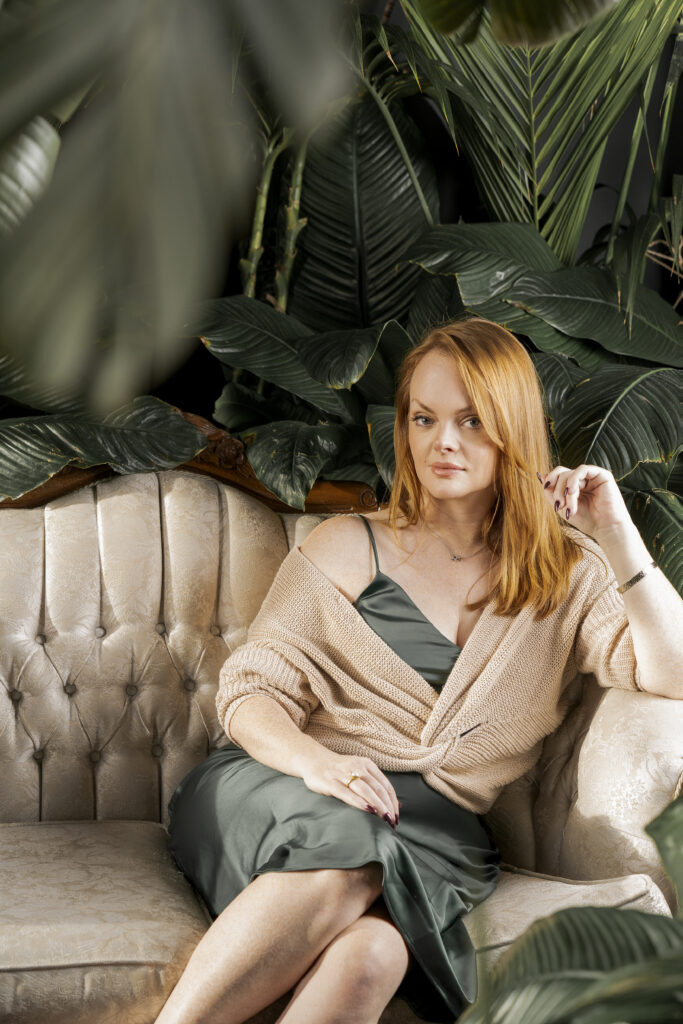
Founder of YVR Creatives
Christine Coughlin is a content creator and the founder of YVR Creatives, a community dedicated to helping female entrepreneurs share their message, build meaningful connections, and grow their businesses.
She helps women amplify their voices through in-person events and VIP content-creation days by guiding them to feel confident on camera and to create impactful content.
Christine also curates inspiring in-person events, including monthly masterminds, social events, and lunch-and-learns, offering opportunities for women to network, share knowledge, and connect within a supportive aligned community.
Christine lives in the suburbs of Vancouver with her husband, three kids, and one million plant babies. A self-proclaimed personal development junkie, she finds peace and inspiration in nature, whether hiking through the woods or spending time on the water.

