

Back in 2019, I couldn’t stop thinking about starting a blog.
I had spent a decade as a stay-at-home mom and felt this pull to create something that was mine. I wanted to write about motherhood, identity, local adventures, and all the messy in-between moments women experience but don’t always talk about.
The problem?
I couldn’t stop asking myself:
“Who am I to do this?”
Looking back, I can see that was imposter syndrome talking.
I wasn’t a journalist.
I wasn’t a professional writer.
I didn’t know a single thing about blogging.
And yet I couldn’t shake the feeling that I was supposed to start.
The same thing happened when I decided to host my first event.
At the time, I had never hosted a professional event and was certain no one would come if I tried to run something.
So I reached out to my friend Cheryl, who had successfully built a local moms community called Moms Gone Wild and had hosted countless events over the years.
I remember feeling nervous even sending the message.
What if she thought it was a ridiculous idea?
What if she realized I had no clue what I was doing?
Instead, she said yes.
What I didn’t realize at the time was that Cheryl wasn’t saying yes because she thought I had it all figured out. She was saying yes because she could see something in me that I couldn’t see yet.
Sometimes that’s what we need most when imposter syndrome is loud: someone willing to reflect our potential back to us until we can believe it ourselves.
Looking back now, neither the blog nor that first event would exist if I had waited for confidence to arrive first.
And honestly, neither would YVR Creatives.
And over the years, I’ve realized I’m far from the only woman carrying those thoughts.
Imposter syndrome is one of the biggest reasons so many talented women stay stuck playing small.
Many of us have been conditioned to believe we need to be fully confident before we show up for something.
I see this constantly with women building businesses and personal brands.
Women waiting to:
launch the offer,
post the reel,
raise their prices,
host the event,
share their story,
or finally start the business they can’t stop thinking about.
Not because they aren’t ready…
but because imposter syndrome keeps whispering:
“Who do you think you are?”
There’s a statistic that gets shared often in conversations about imposter syndrome:
Men apply for jobs when they meet around 60% of the qualifications, while women tend to apply only when they meet nearly all of them.

That same pattern shows up everywhere in entrepreneurship too.
Women over-preparing.
Overthinking.
Over-editing.
Over-consuming.
Waiting for certainty before taking action.
But confidence usually doesn’t come first.
Action does.
And honestly? Most women I know don’t need more potential.
They need more self-trust.
So if imposter syndrome has been keeping you stuck lately, here are seven shifts that can help you stop second-guessing yourself and start trusting your voice, your business, and your vision a little more.
1. Stop Waiting to Feel Confident Before You Start
Looking back, I wasn’t confident when I launched The InBetween.
I wasn’t confident when I hosted my first event.
I certainly wasn’t confident when I started showing up online talking about visibility and community building.
I was willing.
And sometimes, willingness is enough to get started.
One of the biggest lies imposter syndrome tells women is:
“You need to feel ready first.”
You need more experience.
More followers.
More credentials.
More certainty.
More proof.
But clarity doesn’t usually arrive while you’re sitting still overthinking everything.
It comes through movement.
One of my favourite reminders is FFT:
Fucking First Time.
Of course it feels uncomfortable.
It’s your first time.
Your first reel.
Your first workshop.
Your first sales page.
Your first networking event.
Your first time hearing your own voice online and wanting to disappear afterward. 😂
That discomfort doesn’t mean you’re failing.
It means you’re learning.
The women who build confidence are usually not the women who felt fearless first.
They’re the women willing to move before certainty arrived.
“Nothing brings clarity like action.”
2. Learn to Recognize the Signs of Imposter Syndrome
A lot of women don’t even realize imposter syndrome is running the show because it can sound surprisingly productive.
It looks like:
downplaying your skills,
attributing your success to luck,
working until burnout,
people-pleasing,
perfectionism,
shaky boundaries,
constantly feeling behind,
or seeing yourself as either wildly successful or a total failure with no in-between.
Imposter syndrome can also make women obsess over tiny mistakes:
the typo,
the awkward pause,
the reel that flopped,
the thing they “should’ve said differently.”
Meanwhile, everyone else moved on thirty seconds later.
I can’t tell you how many times I’ve posted a reel and then immediately spotted something awkward and wanted to delete the whole thing. Meanwhile, nobody else noticed. Most of us are walking around under the assumption that everyone is paying far more attention to us than they actually are.
The goal isn’t to never feel self-doubt again.
The goal is learning how to recognize when imposter syndrome is speaking so it stops making every decision for you.
3. Pay Attention to Your Self-Talk
A lot of women are carrying inner dialogue that is unbelievably harsh.
“I’m behind.”
“There are already too many people doing this.”
“Who am I to talk about this?”
“I’m not experienced enough.”
“People probably think I’m annoying.”
“Imposter syndrome is often just an old story trying to keep you safe.”
Would you speak to someone you love that way?
Probably not.
So where did the story come from?
Family?
School?
Corporate culture?
Social media?
Perfectionism?
People-pleasing?
And when does the spiral usually show up?
When you’re exhausted?
Burned out?
Overstimulated?
Stuck inside too long?
Consuming too much and creating too little?
Awareness matters because you can’t shift patterns you refuse to notice.
Sometimes what we call imposter syndrome is actually a nervous system that’s overwhelmed and looking for safety.
4. Comparison Usually Means There’s Something You Want for Yourself Too
I think comparison gets villainized a little too much.
Most of the time, comparison isn’t actually jealousy.
You see another woman confidently speaking online and think:
“I wish I could do that.”
“I wish I trusted myself like that.”
“I wish I could show up that freely.”
That doesn’t make you a bad person.
It’s information.
One of the most beautiful things about building YVR Creatives has been watching women move from comparison to collaboration. I’ve seen women walk into a room feeling intimidated by someone else’s success and leave with a new friend, referral partner, or mentor. Sometimes the woman triggering you is actually showing you what’s possible.
You may also enjoy the articles, The Women Who Trigger Us and 5 Steps to Stop the Comparison Spiral Before It Derails You
It usually means there’s a part of you that wants permission to grow in that direction too.
The important thing is catching the comparison spiral before it convinces you to stop showing up altogether.
Because comparing your beginning to someone else’s years of experience will mess with your confidence every single time.
Instead of spiraling, get curious.
What skill do I actually admire here?
Confidence?
Visibility?
Communication?
Consistency?
Now you have something useful to learn from instead of another reason to tear yourself apart.
5. Confidence Comes From Evidence, Not Positive Thinking
Most confidence is not built through affirmations.
It’s built through evidence.
Evidence that:
you survived hard things,
you adapted,
you learned,
you figured things out,
you helped people,
you recovered,
you kept showing up.
This is why it’s so important to actually acknowledge your wins.
Most women move the goalpost constantly.
You achieve something and immediately focus on what’s next instead of recognizing how far you’ve already come.
But self-trust gets built when you allow yourself to collect evidence of your resilience and capability over time.
Not when you magically become fearless.
And honestly? Sometimes what you’re labeling as anxiety is actually expansion.
Growth.
Visibility.
Momentum.
Stretching outside your comfort zone.
That’s allowed to feel uncomfortable.
“Confidence is built through evidence, not perfection.”
A few years ago, if you had told me I’d build a community of hundreds of women, host large events, or have one of my reels viewed more than 10 million times, I would’ve laughed. Not because I didn’t want those things, but because they felt so far outside of what I believed was possible for me. The funny thing about confidence is that it rarely arrives before the evidence. Most of the evidence gets created after you decide to take the risk.
6. Shift From “What Will People Think?” to “Who Needs This Message?”
One of the fastest ways to spiral in business is becoming hyper-focused on yourself.
How you look.
How you sound.
Whether people approve.
Whether someone might judge you.
I call this being “on self.”
But when you shift “on purpose,” everything changes.
Instead of obsessing over yourself, you start thinking about the people who actually need your message.
The woman who feels less alone because you shared honestly.
The client searching for support.
The person looking for exactly the thing you offer.
Purpose pulls you out of performance mode.
When I post about comparison, visibility, or motherhood, I try to remember the woman sitting on the other side of the screen who might need to hear it that day, and it helps me get over the fact that talking to my phone is VERY weird! 😂
7. Go Back to Your North Star When Self-Doubt Gets Loud
When imposter syndrome gets loud, go back to your why.
Not the polished Instagram version.
The real one.
Why does this business matter to you?
What kind of life are you trying to build?
Who are you trying to help?
What happens if you keep abandoning yourself every time fear shows up?
Building a business and growing a personal brand will stretch you emotionally.
There will absolutely be moments where:
visibility feels vulnerable,
comparison creeps in,
self-doubt gets loud,
and you question yourself completely.

But the women who eventually build beautiful things are usually not the women who never felt afraid.
They’re the women who kept moving anyway.
And the truth is, the voice asking “Who do you think you are?” may never disappear completely. You just don’t have to keep listening to it.
Final Thoughts on Imposter Syndrome
If there’s one thing I’ve learned through building YVR Creatives and watching hundreds of women grow businesses inside this community, it’s this:
Most women do not need more potential.
They need more self-trust.
And sometimes self-trust starts by borrowing belief from someone else. A friend who encourages you. A mentor who sees your potential. A community that reminds you you’re capable before you’re fully convinced yourself.
Because the truth is, the women who build extraordinary things aren’t necessarily more confident than everyone else. They’re simply willing to take the next step before confidence arrives.
You do not need to fully overcome imposter syndrome before you begin.
You just need to stop letting it make every decision for you.
You Don’t Have to Built It Alone
If there’s one thing I’ve learned through building The InBetween, YVR Creatives, and a community of hundreds of women entrepreneurs, it’s this:
Confidence rarely grows in isolation.
Sometimes what we need most isn’t another course, strategy, or productivity hack.
We need a room full of people who remind us what we’re capable of when we’ve forgotten.
That’s exactly why I created YVR Creatives.
Through our monthly Leaders Lounge events, virtual meet-ups, coworking sessions, and The Creators Society membership, we’re building a community where women can show up as they are, learn from one another, and take brave action before they feel completely ready.
Because the truth is, most women don’t need more potential.
They need more self-trust.
And sometimes self-trust starts with finding the right community.
If you’ve been craving connection, encouragement, accountability, or simply a room where you don’t have to explain yourself, we’d love to welcome you.
✨ Explore upcoming YVR Creatives events Here
Learn more about The Creators Society, Here
View the Creators Society Directory, Here
About The Author
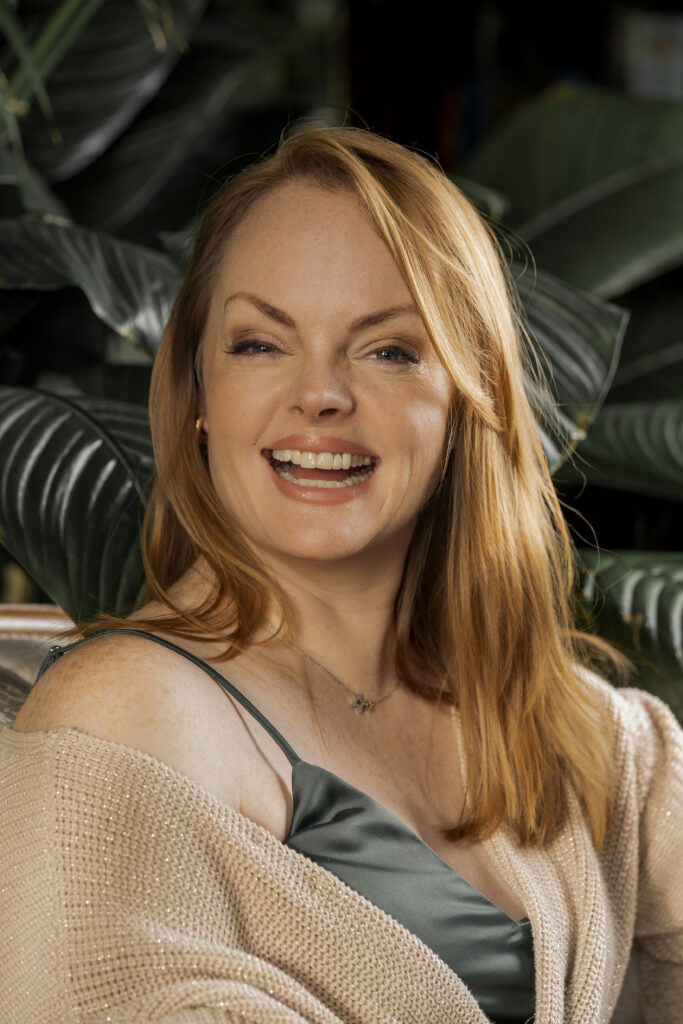
Christine Coughlin is a content creator and the founder of YVR Creatives, a community dedicated to helping female entrepreneurs share their message, build meaningful connections, and grow their businesses.
She helps women amplify their voices through in-person events and VIP content-creation days by guiding them to feel confident on camera and to create impactful content.
Christine also curates inspiring in-person events, including monthly masterminds, social events, and lunch-and-learns, offering opportunities for women to network, share knowledge, and connect within a supportive aligned community.
Christine lives in the suburbs of Vancouver with her husband, three kids, and one million plant babies. A self-proclaimed personal development junkie, she finds peace and inspiration in nature, whether hiking through the woods or spending time on the water.

